

Proper storage is one of the most important parts of owning a sex doll. Whether you are putting it away between uses, taking it on a trip, or storing it for several months, the right routine helps protect the material, reduce odors, prevent deformation, and maintain hygiene. A few simple habits—thorough cleaning, complete drying, suitable packaging, and a stable storage environment—can significantly extend the life of a silicone or TPE doll.
1. Understand the Material Before You Store It
Before choosing a storage method, identify whether your doll is made from silicone, TPE, or another material. Silicone is generally more resistant to heat, staining, and some cleaning products, while TPE is softer and more porous. Because TPE can absorb oils and moisture more easily, it usually requires more careful cleaning and drying. Always treat the manufacturer’s care instructions as the primary authority, since material formulas and finishes vary between brands.
Check the product manual for information about recommended temperatures, compatible cleaners, removable parts, and whether the doll can be stored in a particular position. If you no longer have the manual, look for the manufacturer’s official care guide rather than relying solely on general advice.
- Silicone: Usually less porous and easier to sanitize, but it can still be damaged by harsh solvents, excessive heat, or incompatible lubricants.
- TPE: Soft and realistic, but more vulnerable to staining, moisture retention, oil absorption, and pressure marks.
- Metal skeletons: Need protection from prolonged moisture, especially around joints, screws, and openings.
- Wigs and clothing: May transfer dyes or retain moisture, so they should be cleaned and stored separately when possible.
Storage should begin immediately after use. Leaving a doll wet, dressed in dark clothing, or pressed against furniture for an extended period can create avoidable problems. Planning the storage space in advance also makes the process easier and more discreet.
2. Clean and Dry the Doll Thoroughly
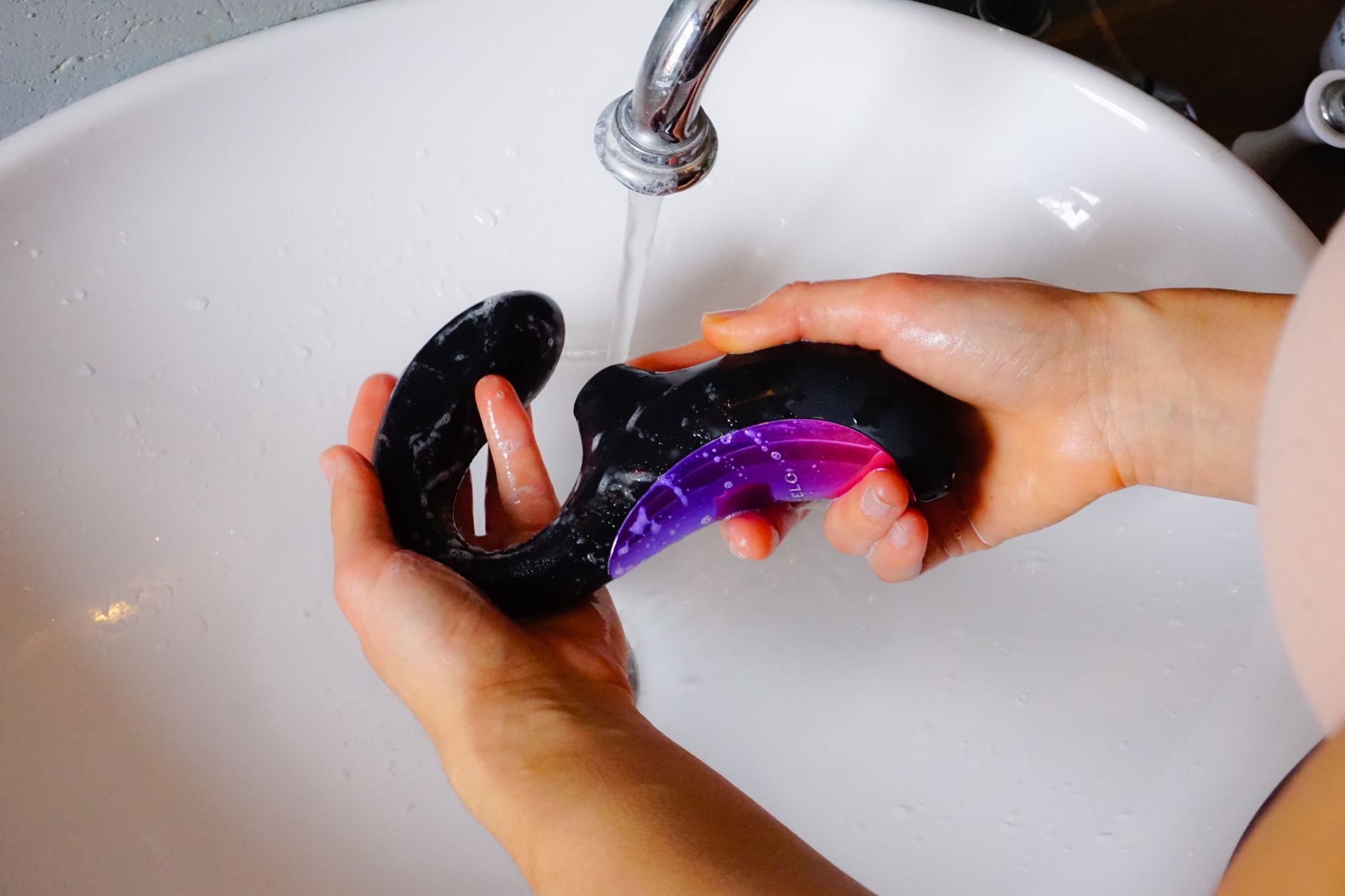
Never place a doll into a travel bag or storage container while it is still damp. Trapped moisture can contribute to unpleasant odors, surface deterioration, staining, and microbial growth. Cleaning should be gentle but complete, with special attention to folds, seams, removable parts, and intimate cavities.
- Remove accessories and clothing. Take off wigs, jewelry, garments, and any removable inserts. Wash or wipe these items separately according to their materials.
- Rinse away residue. Use lukewarm water rather than hot water. Very high temperatures may affect the surface, adhesives, internal components, or structural integrity.
- Use a compatible cleanser. Choose a mild, material-safe soap or a cleaner recommended by the manufacturer. Avoid bleach, strong disinfectants, alcohol-based products, acetone, and abrasive scrubbing tools unless the manufacturer specifically approves them.
- Clean internal areas carefully. If the doll has removable sleeves or inserts, take them out when the design permits. Clean them separately and avoid forcing tools into openings, as sharp or rigid objects can damage the material.
- Rinse completely. Soap residue can irritate skin and may leave the surface sticky or discolored over time.
- Dry every area. Pat the exterior with a clean, lint-free towel. For internal areas, use the drying method recommended by the manufacturer. Do not seal the doll until all surfaces and cavities are fully dry.
Air-drying is often preferable, but the doll should not be left in direct sunlight. Ultraviolet exposure can fade color and gradually weaken some materials. A clean, shaded, well-ventilated room is usually more suitable. If you use a fan, keep it at a moderate setting and avoid directing hot air onto the doll.
Practical rule: If you can detect coolness, dampness, or a musty smell in an internal area, the doll is not ready for enclosed storage.
Some owners use powder on TPE dolls to reduce tackiness. Only use a product specifically considered safe for the material, and follow the manufacturer’s instructions. Powder is not a substitute for cleaning or drying, and excessive application can create dust and residue. Avoid products containing perfumes, oils, or unverified additives.
3. Choose the Right Storage Bag or Container
A proper storage bag protects the doll from dust, accidental contact, sunlight, and prying eyes. It should be large enough to avoid compression, padded enough to reduce impact, and made from a material that will not transfer color or chemicals to the doll’s surface.
Purpose-built sex doll travel bags are often the most convenient choice because they may include reinforced handles, internal padding, discreet styling, and compartments for accessories. However, a large, clean, neutral-colored storage case can also work if it provides adequate support and ventilation during the initial drying stage.
- Use breathable protection when appropriate. A clean cotton sheet or white, non-dyed fabric can provide a safe first layer. Avoid wrapping the doll tightly in plastic for long-term storage.
- Choose light-colored materials. Dark fabrics may transfer dye, especially when pressed against TPE for extended periods.
- Avoid direct contact with vinyl or rubber. Some plastics, rubberized coatings, and synthetic materials may react with silicone or TPE.
- Protect vulnerable areas. Use soft padding around the face, fingers, feet, breasts, and joints to reduce pressure and friction.
- Do not overfill the bag. Accessories, shoes, or metal objects can press into the body and leave permanent marks.
If you are choosing a suitable option, you can also check out this product on our site — it may be just what you need:
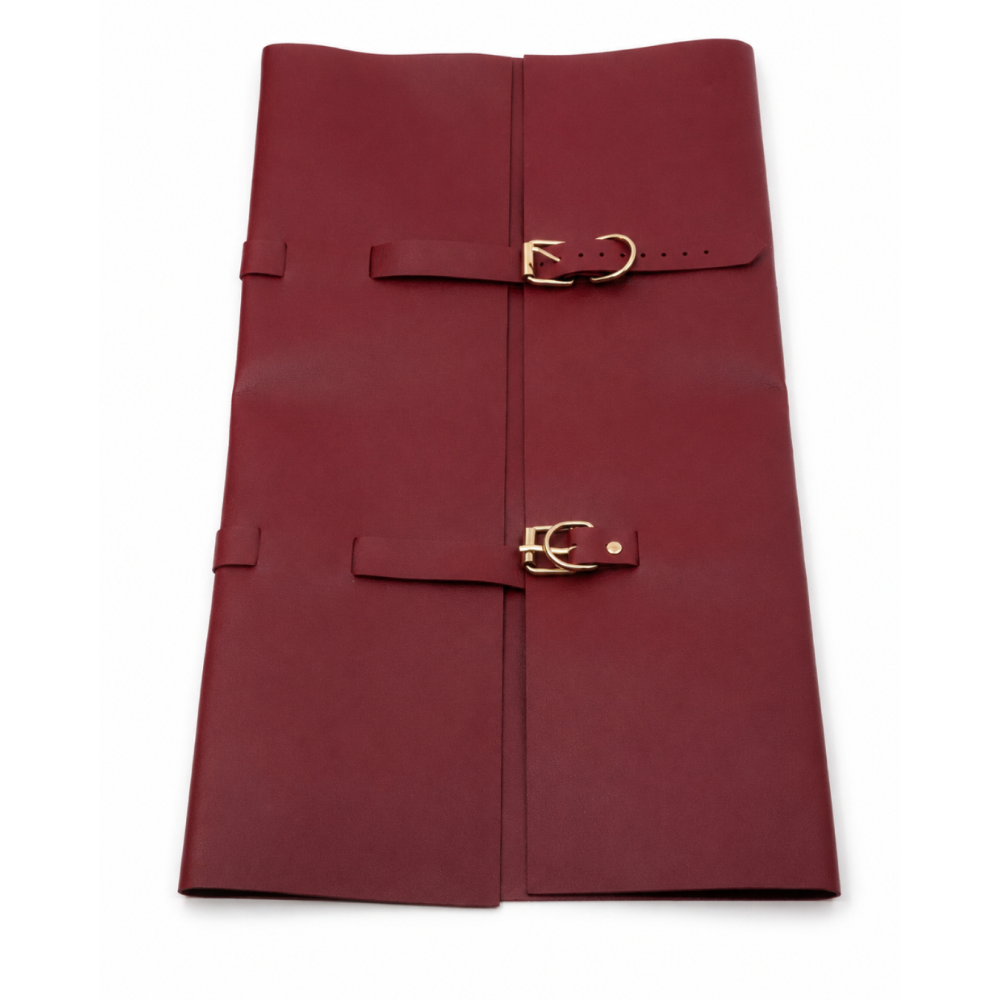
Soft-touch intimate wellness product with discreet packaging, clean design, and dependable everyday use.
For air travel or other situations where discretion matters, a purpose-designed, unmarked case may be useful. Before traveling, check airline, railway, hotel, and local regulations regarding batteries, electronic components, and unusually heavy luggage. If the doll contains removable batteries or powered accessories, follow the relevant transport rules and remove batteries when recommended.
For long-term storage, a bag alone may not be enough. A sturdy storage trunk or protective case can offer better support, but it must be large enough to prevent bending and must not trap condensation. If the container is airtight, only use it after the doll is completely dry and ensure that the internal environment remains clean and stable.
4. Prevent Deformation During Long-Term Storage
Pressure is one of the most common causes of long-term damage. A soft doll can develop flattened areas, creases, or stress marks when stored under its own weight or pressed against a hard surface for weeks or months. TPE is particularly sensitive to prolonged compression, although silicone can also show deformation under unsuitable conditions.
Whenever possible, store the doll in a neutral position that does not place excessive force on the face, chest, hands, feet, or joints. Follow the manufacturer’s instructions for horizontal or vertical storage. If vertical storage is permitted, make sure the stand or support system is designed for the doll’s weight and does not strain the ankles, feet, or internal skeleton.
- Keep the face from pressing against a hard or textured surface.
- Support the head, neck, and limbs with clean, soft padding.
- Avoid sharply folding elbows, knees, wrists, or fingers for extended periods.
- Do not stack heavy objects on top of the storage case.
- Leave enough room around the doll so the bag does not compress it when closed.
- For extended storage, inspect the doll periodically and change its position if the manufacturer recommends doing so.
Clothing requires special attention. Tight garments, dark fabrics, leather, and dyed synthetic materials can leave permanent marks, particularly on TPE. For storage lasting more than a few days, it is generally safer to remove clothing or use clean, loose, light-colored garments that have been tested for colorfastness. Do not store the doll wearing wet swimwear or recently washed clothing that has not dried completely.
Wigs should normally be removed before long-term storage. Place them on a wig stand or store them in a breathable bag after brushing and drying. A wig compressed under the doll’s head can lose its shape, while loose fibers, clips, and pins may scratch or press into the surface.
5. Control the Storage Environment and Inspect Regularly
The storage room should be cool, dry, clean, and away from direct sunlight. Avoid garages, attics, damp basements, bathrooms, and locations next to radiators or heating vents. Large temperature swings can increase condensation and place stress on materials, adhesives, electronics, and metal components.
A stable room-temperature environment is usually appropriate, but the exact limits should come from the manufacturer. Do not expose the doll to freezing temperatures or excessive heat. Never use a clothes dryer, heat gun, hair dryer on a hot setting, or other direct heat source to speed up drying or warm the material.
Keep the doll away from chemicals and objects that may cause contamination. This includes cleaning solvents, perfumes, cosmetics, essential oils, lubricants that are not material-compatible, fresh paint, and treated wood surfaces. Petroleum-based products and certain oils can damage or weaken some elastomers. When in doubt, avoid the product and consult the manufacturer.
Long-term storage should not mean complete neglect. Every few weeks or months, depending on the storage period and the manufacturer’s recommendations, inspect the bag and surrounding area. Look for:
- Moisture or condensation inside the bag
- Unusual odors, stickiness, or discoloration
- Pressure marks or changes in shape
- Loose seams, damaged padding, or exposed metal
- Rust or corrosion around joints and hardware
- Insects, dust, or signs of mold in the storage area
If you notice moisture, remove the doll from the container and allow it to dry in a clean, shaded, ventilated room. If there is persistent odor, visible mold, cracking, severe discoloration, or structural damage, stop using the doll until you have received advice from the manufacturer or a qualified repair professional. Do not attempt aggressive chemical treatment, as it may make the damage worse.
6. A Simple Storage Routine for Beginners
A consistent routine is more valuable than expensive accessories. After each use, clean the doll as soon as practical, rinse away all cleanser, and dry it thoroughly. Remove accessories and clothing, check difficult-to-reach areas, and examine the surface for residue or damage. Once the doll is completely dry, place it in a clean protective layer and position it according to the manufacturer’s instructions.
For travel, prepare the bag in advance. Confirm that the doll is dry, remove batteries where appropriate, protect the face and joints with soft padding, and keep accessories in separate compartments. Avoid placing sharp, heavy, or dyed items against the body. During transport, keep the bag upright or in the position recommended by the manufacturer, and do not leave it in a hot vehicle.
For storage lasting several months, record the date of the last inspection and keep the care products together in a separate, clearly organized kit. A basic kit may include clean lint-free towels, manufacturer-approved cleanser, safe padding, a light-colored breathable cover, and compatible lubricant if needed. Labeling the bag or container discreetly can also help prevent accidental handling or disposal.
In summary, good sex doll storage depends on five principles: clean the doll thoroughly, dry every part completely, prevent pressure and staining, use compatible protective materials, and maintain a cool, stable environment. A suitable travel bag can improve privacy and convenience, but it cannot replace careful preparation. By following the material-specific instructions and inspecting the doll regularly, beginners can reduce hygiene problems, avoid premature damage, and keep the doll in better condition for the long term.