


Proper sex doll care does not need to be complicated. With the right cleaning routine, suitable storage conditions, and a few protective accessories, beginners can keep a doll hygienic, attractive, and functional for many years. This guide explains how to clean different materials, choose a travel bag, prevent damage during storage, and handle long-term care with confidence.
1. Understand Your Doll’s Material and Construction
Before choosing cleaning products or storage methods, identify what your doll is made from. Most modern dolls use either thermoplastic elastomer (TPE), silicone, or a combination of materials. Each material has different maintenance needs, and using the wrong product can cause permanent damage.
- TPE: TPE is soft, flexible, and often more affordable. However, it is more porous than silicone, so it requires careful cleaning and thorough drying. TPE can also absorb oils and may gradually become slightly tacky.
- Silicone: Silicone is generally less porous, more resistant to staining, and easier to sanitize. It is still vulnerable to sharp objects, harsh chemicals, and excessive heat.
- Metal skeletons: Many full-size dolls contain a metal frame or articulated joints. These components provide support but can be damaged by moisture, overloading, or forcing joints beyond their intended range.
- Wigs, eyes, and removable parts: Hair, eyelashes, clothing, and accessories may require separate care. Some parts should be removed before cleaning or storage.
Always consult the manufacturer’s care instructions first. A product that is safe for one material may weaken, discolor, or dry out another. If you are unsure whether a cleaner is suitable, test a small amount on an inconspicuous area and wait until the material has fully dried.
Beginner’s rule: Gentle, lukewarm water and a mild, material-safe cleanser are usually safer than aggressive disinfectants, household sprays, or scented products.
2. A Simple Cleaning Routine
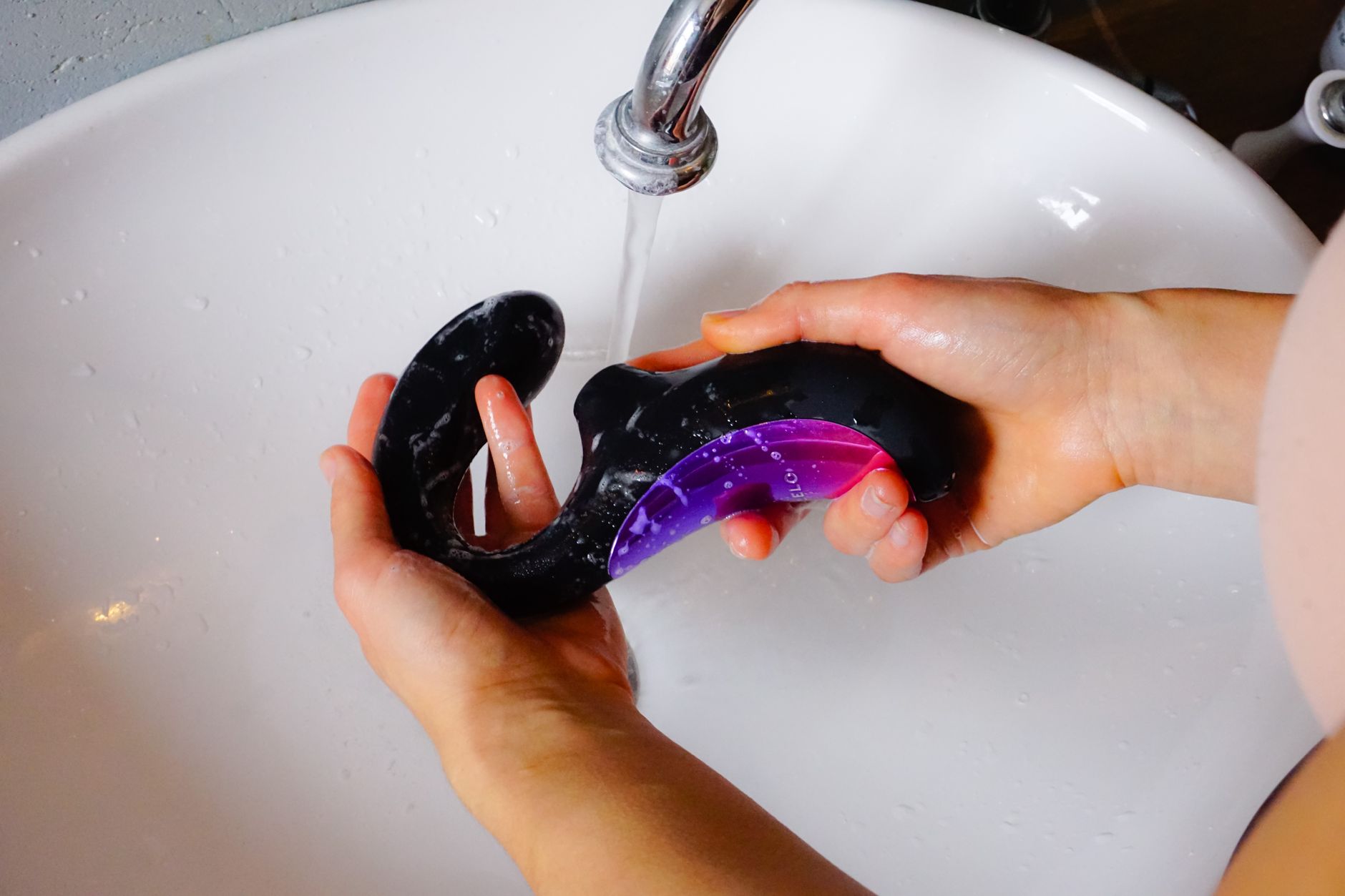
Cleaning should take place after every use, especially when the doll has been exposed to body fluids, lubricants, sweat, or other residues. Regular cleaning reduces odor, staining, bacterial growth, and material deterioration.
Prepare Your Supplies
Keep a small care kit in one place so cleaning becomes routine rather than a difficult task. Useful supplies include:
- Lukewarm water
- A mild, unscented cleanser recommended for the doll’s material
- Soft microfiber cloths or non-abrasive towels
- A soft, clean brush for seams and textured areas
- Disposable gloves, if preferred
- Absorbent drying materials for internal channels
- Material-appropriate powder or conditioner, if recommended by the manufacturer
Avoid bleach, alcohol, acetone, ammonia, strong detergents, abrasive sponges, and heavily fragranced products. These substances may irritate skin-like materials, remove protective coatings, or leave residues that are difficult to rinse away.
External Cleaning
- Remove clothing, jewelry, wigs, and detachable accessories before cleaning.
- Rinse visible residue with lukewarm water. Do not use boiling or very hot water.
- Apply a small amount of mild cleanser to a damp cloth rather than pouring it directly over the doll.
- Clean the surface gently, paying attention to folds, seams, hands, feet, and other areas where moisture or residue may collect.
- Rinse away all cleanser with a clean, damp cloth.
- Pat the surface dry with a soft towel. Do not rub aggressively.
Do not submerge a doll unless the manufacturer specifically states that it is fully waterproof. Water can enter joints, internal cavities, electrical components, or the metal frame. Even a doll that is water-resistant may not be designed for prolonged soaking.
Cleaning Internal Channels
For dolls with internal cavities, use a method recommended by the manufacturer. In many cases, the safest approach is to flush the channel with lukewarm water and a suitable cleanser, then rinse thoroughly. A soft, flexible cleaning tool may help, but never force anything into a narrow passage or use a rigid brush that could tear the material.
Drying is just as important as washing. Moisture left inside a channel can encourage odor and microbial growth. Carefully drain the water, use a soft absorbent material if appropriate, and allow the channel to air-dry completely in a clean, ventilated location. Do not seal the doll in a bag while any internal or external area is still damp.
For shared use, hygiene is especially important. Use a suitable barrier where practical, clean the doll after each use, and never share a doll without completing a thorough cleaning process. Personal hygiene and responsible storage protect both the user and the doll.
3. Drying, Conditioning, and Preventing Material Damage
Many care problems occur because the doll is stored before it is fully dry. After cleaning, place it on a clean towel in a cool, shaded, well-ventilated area. Keep it away from direct sunlight, radiators, heaters, fireplaces, and hot-air dryers.
Sunlight and high temperatures can fade the surface, soften some materials, and accelerate aging. A fan may improve airflow, but it should be used on a low setting and positioned at a safe distance. Never use a heat gun or high-temperature hair dryer.
TPE dolls may benefit from a light application of manufacturer-approved renewing powder after the surface is completely dry. This can reduce tackiness and help the exterior feel smoother. Apply only a thin, even layer. Excess powder can collect in seams and create a messy surface.
Do not apply random oils, petroleum jelly, body lotions, or silicone-based products unless the manufacturer confirms that they are compatible. Oils may be absorbed by TPE, while some silicone products can react with silicone surfaces or leave an unwanted residue. When using lubricant, select a formula specifically recommended for the doll’s material and clean it away promptly afterward.
Staining is another common concern. Dark or strongly dyed clothing can transfer color to skin-like materials, particularly during long storage. Wash new clothing before use, choose light-colored garments when possible, and avoid leaving dark fabrics against the doll for extended periods. If discoloration appears, do not scrub aggressively or use household stain remover. Contact the manufacturer for material-specific advice.
4. Choosing and Using a Travel or Storage Bag
A proper storage bag protects the doll from dust, light, accidental contact, and curious visitors. It should be large enough to avoid compressing the body and strong enough to support the doll’s weight. A bag that is too small can bend joints, crease the material, or place pressure on the face and fingers.
Look for the following features when selecting a bag:
- Durable construction: Reinforced handles, strong zippers, and padded panels are useful for heavier dolls.
- Neutral appearance: An unmarked or discreet exterior provides privacy during transport.
- Ventilation: Breathable sections or controlled airflow can reduce trapped moisture, especially after cleaning.
- Interior padding: Padding helps protect the face, breasts, hands, feet, and other delicate areas.
- Suitable dimensions: The doll should fit without being folded, crushed, or forced into an unnatural position.
Before placing the doll into a bag, make sure it is completely clean and dry. Remove clothing that may transfer dye, take off the wig if it could become compressed, and protect delicate features with soft, clean fabric. Do not place hard accessories, metal objects, or sharp items in direct contact with the body.
When transporting a heavy doll, use safe lifting technique. Support the torso and lower body rather than pulling on the arms, legs, neck, or fingers. If the doll is particularly heavy, ask another adult for help. For vehicle transport, secure the bag so it cannot slide, fall, or be crushed by luggage.
Never leave a doll in a hot car, direct sunlight, or an unregulated outdoor storage area. Interior vehicle temperatures can rise quickly and may damage the material, joints, adhesives, or internal components.
5. Long-Term Storage and Positioning
For storage lasting more than a few days, choose a cool, dry, private location with stable temperature and low humidity. Avoid attics, damp basements, garages, and areas exposed to seasonal temperature changes. Excess humidity may encourage odor or mold, while very dry or hot environments may accelerate material aging.
Many dolls are best stored lying flat in a natural position, unless the manufacturer specifically recommends another method. Avoid placing continuous pressure on the face, breasts, hands, feet, or other protruding features. If the doll must be positioned on its side or back, use soft, clean padding to distribute weight evenly.
Do not leave the doll sitting or standing for long periods unless its frame is designed for that position. Constant pressure on the joints and feet may cause deformation or unnecessary stress on the skeleton. Do not hang the doll by the neck, wrists, ankles, or other narrow points.
For dolls with articulated joints, place the arms and legs in a relaxed, neutral position. Avoid extreme bends and do not force a joint that feels resistant. If the doll has an internal heating system, motion functions, or other electronics, remove batteries when recommended and keep electrical connectors dry. Follow the manufacturer’s instructions for charging and battery storage.
Inspect the doll every few weeks or at least once a month during long-term storage. Check for:
- Moisture or condensation
- Unusual odor
- Sticky or oily patches
- Color transfer from clothing or padding
- Pressure marks or creases
- Loose joints, damaged seams, or exposed metal
Changing the doll’s position occasionally can reduce prolonged pressure on one area. However, handle it carefully and avoid unnecessary movement. If you discover a damaged seam, stop using the doll until you have received repair guidance. Small issues can become larger tears when the doll is moved or loaded.
6. Common Mistakes and a Practical Care Schedule
Beginners often make a few predictable mistakes. Storing the doll while damp is one of the most serious. Using ordinary household cleaners, wearing dark clothing for long periods, and leaving the doll in direct sunlight are also common causes of avoidable damage. Other problems include overfilling internal cavities, forcing joints, dragging the doll across rough surfaces, and placing heavy objects on top of the storage bag.
A simple schedule keeps maintenance manageable:
- After each use: Clean exposed surfaces and internal areas as appropriate, rinse thoroughly, and dry completely.
- Weekly or as needed: Inspect seams, joints, accessories, clothing, and the storage area.
- Monthly: Check for staining, pressure marks, odors, tackiness, and changes in joint movement.
- Before long-term storage: Complete a full cleaning, remove unsuitable clothing, dry every area, and position the doll with adequate padding.
- Before travel: Confirm that the bag is clean, secure, discreet, and large enough to prevent compression.
If a persistent odor, discoloration, tear, corrosion, or unusual texture develops, avoid experimenting with strong chemicals. Take clear photographs, note the material and cleaning products used, and contact the manufacturer or a qualified repair service. Professional advice is usually safer and less expensive than attempting an irreversible home repair.
Conclusion
Good sex doll care is mainly about consistency: clean gently, dry completely, avoid incompatible products, protect the doll from heat and sunlight, and store it in a padded, ventilated, discreet bag. Understanding whether the doll is made from TPE or silicone will guide nearly every maintenance decision. With a simple routine and regular inspections, beginners can prevent most common problems and extend the doll’s useful life while keeping it hygienic, private, and in good condition.
If you are choosing a suitable option, you can also check out this product on our site — it may be just what you need:

Soft-touch intimate wellness product with discreet packaging, clean design, and dependable everyday use.